

How to Book Group Tastings Without Stress
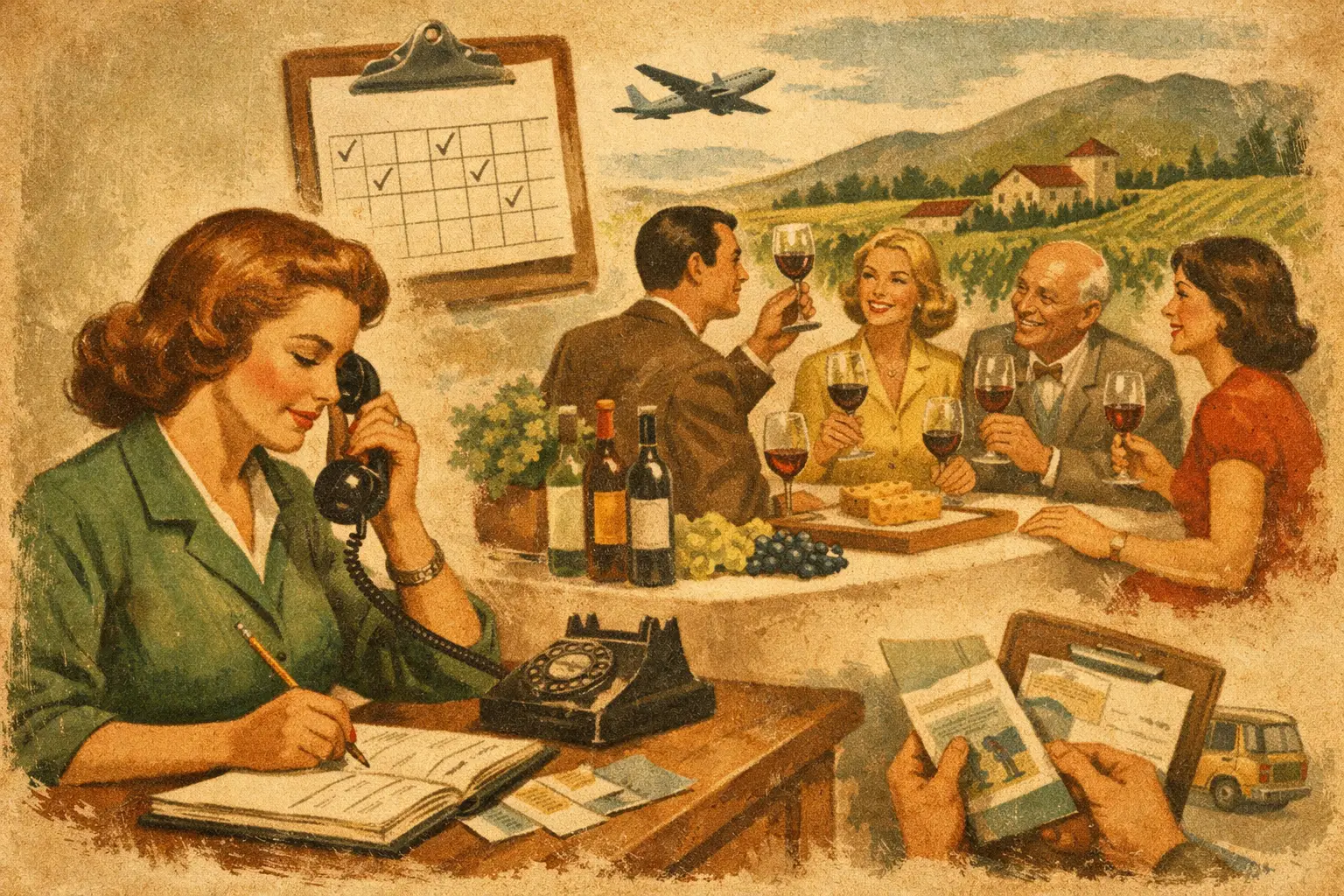
The fastest way to turn a fun tasting day into a group text meltdown is to wait too long, guess on headcount, and hope every stop can fit you in. If you’re figuring out how to book group tastings, a little planning goes a long way – especially in Traverse City, where wineries and breweries can fill up quickly during peak travel weekends.
Group tastings should feel easy. You want the vineyard views, the craft beer flights, the celebratory photos, and the ride back to your hotel without anyone arguing over directions or volunteering to be the designated driver. That’s why the booking process matters more than most people expect. The best outings feel relaxed because the logistics were handled early and handled well.
How to book group tastings the smart way
Start with the basics before you contact a single venue. Your date, estimated group size, and preferred tasting style will shape almost every decision after that. A birthday group of six looking for a laid-back wine afternoon needs a different plan than a bachelorette party of 14 hoping for a high-energy day with multiple stops.
If your number is still changing, give a realistic range instead of a vague maybe. Venues and tour providers need to know whether they’re planning for eight guests or 18. That affects seating, pacing, transportation, and whether private reservations are required.
It also helps to decide what kind of day you actually want. Some groups want a polished wine-country experience with scenic views and slower pacing. Others want a brewery-heavy lineup, more flexibility, and a social atmosphere that keeps the energy high. Neither is better. It just changes how you should book.
Pick the experience before you pick the stops
A common mistake is choosing tasting rooms based only on name recognition. The better approach is to think about the group’s personality first. Are you planning for serious wine lovers, casual vacationers, or a mix of both? Do you want elevated and intimate, lively and celebratory, or somewhere in between?
That answer affects everything from how long you stay at each location to whether food needs to be built into the route. A group with mixed interests may enjoy a balanced itinerary with wineries and breweries. A bridal party may care just as much about photo-worthy settings, comfortable transportation, and a fun atmosphere as the tasting menu itself.
This is where local planning makes a big difference. Northern Michigan looks close on a map, but tasting days can get inefficient quickly if stops are spread out or timed poorly. Old Mission Peninsula and Leelanau County each offer great options, but trying to cram too much into one outing can leave the day feeling rushed.
Book earlier than you think you need to
If you’re traveling during summer, fall color season, or a holiday weekend, book as soon as your date is firm. Large groups often assume they can lock things in a few days ahead, only to find limited availability, split reservations, or less desirable time slots.
Smaller groups have a little more flexibility, but even then, prime tasting hours disappear fast. Midday and early afternoon usually go first, especially for Saturdays. If your group is tied to one date, early planning gives you better choices and a smoother route.
Waiting also creates a domino effect. If your first-choice venue is unavailable, your second stop may no longer line up, transportation timing gets awkward, and suddenly the whole day starts revolving around what’s left instead of what actually fits your group.
What venues need before confirming group tastings
Most wineries and breweries will want more detail than a standard walk-in visit. That’s especially true for larger parties. Be ready with your final or near-final guest count, preferred arrival window, and whether you’re celebrating a special occasion.
Some venues have limits on group size for regular tastings and may require private accommodations once you cross a certain number. Others can host larger groups comfortably but need advance notice to staff properly. This isn’t red tape for the sake of it. It helps create a better guest experience and avoids the awkward moment when half your party is standing around waiting for space.
You should also ask practical questions early. How long is the tasting expected to last? Is there a deposit? Can the venue split checks or should one person handle payment? Is outside food allowed, or is there an in-house menu? Those details sound small, but they shape the mood of the day.
For celebration groups, ask about anything that matters to your experience. That might mean photo opportunities, sparkling add-ons, seating together, or whether the venue can accommodate a more social pace. The goal is not to overcomplicate things. It’s to avoid assumptions.
Transportation should be part of the first plan, not the last
This is the piece groups most often underestimate. Once alcohol is part of the day, transportation is not a side note. It’s the backbone of the outing.
If you’re coordinating multiple tastings, the easiest path is to plan your ride and reservations together. That keeps pickup times realistic, prevents long gaps between stops, and gives everyone the freedom to enjoy the day without watching the clock or nominating a driver. It also makes the experience feel more polished from the start, especially for out-of-town guests who don’t know the area.
For larger groups, this matters even more. Splitting into multiple cars can fracture the day fast. Someone gets lost, someone runs late, someone wants to skip a stop, and the group vibe starts slipping. A dedicated driver keeps everyone together and takes the pressure off the planner.
That’s one reason many visitors choose a local operator like Wonderland Tours Traverse City. When transportation and tastings are coordinated with local knowledge, the day feels less like a puzzle and more like the kind of outing you came here to have.
How to book group tastings without overbooking the day
More stops do not automatically mean more fun. In fact, too many reservations can make the whole experience feel like a sprint. For most groups, three well-chosen stops is plenty, especially if you want time to relax, enjoy the scenery, and actually talk to each other.
The right number depends on your pace. Wine tastings often invite a slower rhythm, while brewery visits can be a little more casual and flexible. If your group wants lunch, photo time, or a scenic pause, build that in from the beginning instead of treating it like extra credit.
A good tasting day has momentum, not pressure. You should have enough structure to keep things moving and enough breathing room to enjoy where you are. That balance is what separates a memorable day from one that feels oddly exhausting.
Keep one person in charge of confirmations
Group planning gets messy when five people are messaging venues, debating time slots, and forwarding screenshots. Pick one organizer to handle confirmations and one backup person who has the full itinerary.
That person should keep track of reservation names, arrival times, deposit policies, and any special instructions. It’s also smart to send the full plan to the group the day before, including pickup details, timing, and expectations around being ready on time.
This does not mean your tasting day has to feel rigid. It just means the essentials are organized enough that everyone else can relax.
A few trade-offs worth thinking about
Private tastings can offer a more elevated and personalized experience, but they may come with higher minimums or stricter timing. Public tasting rooms can feel more spontaneous and social, but they may be less ideal for bigger parties that want dedicated space.
Weekdays are usually easier for booking and can feel more relaxed, while Saturdays bring more energy but also more crowds. Smaller groups can often be more flexible with venue choice. Larger groups may need to prioritize places that are built to host them well, even if that means giving up one must-visit name.
There’s no single perfect formula. The best plan depends on whether your group cares most about convenience, variety, scenery, celebration energy, or a more curated experience.
If you keep that priority clear from the start, the rest becomes much easier to organize.
The sweetest part of a group tasting day is not squeezing in every possible stop. It’s watching everyone settle in, enjoy the pour in front of them, and realize nobody has to manage the road, the route, or the next reservation except the people who planned it right.

Leave a Reply